Tax Basics for US Expats Working in Southeast Asia
Look, you're living the dream. Or at least, the Instagram version of it. Wifi speed is your biggest daily concern, and your office view switches between rice paddies and co-working rooftops. It's incredible. Until you remember Uncle Sam still knows where you are. That nagging feeling in your stomach around March? That's not just street food. It's the universal dread of expat taxes. Relax. Let's break this down without the legalese. Your goal isn't to become an accountant—it's to keep more of your hard-earned baht, dong, or pesos.
Your Golden Ticket: The FEIE Explained Like You're 10
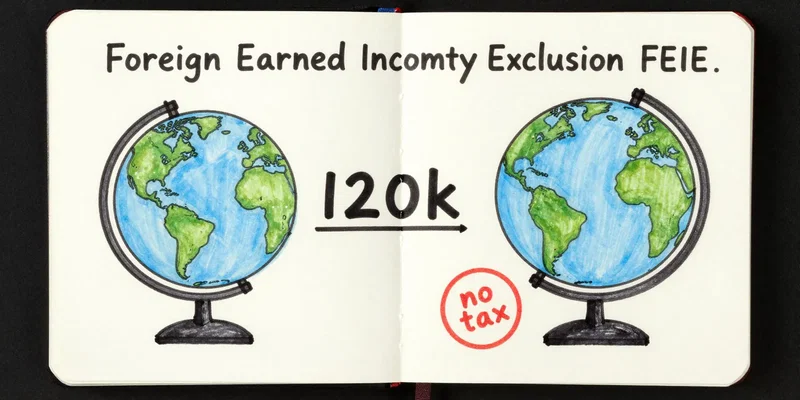
The Foreign Earned Income Exclusion. Sounds like a mouthful of bureaucratic nonsense. Here's the thing: It's your best friend. Think of it like a permission slip from the IRS that says, "Okay, you earned money while physically outside the US, we won't tax the first chunk of it." For 2023, that chunk was up to $120,000. If you make less than that working remotely from, say, Chiang Mai or Da Nang, you could owe the US government $0 in federal income tax. Zero. It's not automatic magic, though. You have to *qualify* by passing either the Physical Presence Test (330 full days abroad in a 12-month period) or the Bona Fide Residence Test. Don't overcomplicate it. Track your travel days in an app. Hit the mark. File the right form (Form 2555, you'll get to know it well).
Where Even Smart Nomads Screw Up (Don't Be Them)
This is where the "basics" become critical. The FEIE only covers *earned* income—money from a job, freelancing, your own business services. It does NOT cover investment income, dividends, or capital gains. That stuff is still taxable. Big mistake #1? Thinking you're totally off the hook. Big mistake #2? Forgetting about your *state*. Some states, like California and Virginia, are clingy. They don't just let you leave without a fight. You may need to formally sever residency to stop their tax claims. And for the love of good coffee, keep your bank and income records. The IRS might ask. "But I live on the beach!" isn't a valid receipt.
Okay, So What Do I Actually Have to DO?
First, breathe. You have more time. Expats get an automatic extension to file until June 15th. You can even push it to October 15th with another form. Use it. Get an accountant who specializes in expat taxes. Seriously. It's worth every dollar. They'll navigate the treaties and forms so you don't have to. Your filing requirement doesn't vanish because you live abroad. You just file differently, attaching that magical Form 2555 to your 1040. Set a calendar reminder for April. Not to file, but to start gathering your documents. Future-you, sipping a fresh coconut, will be eternally grateful.
The Bottom Line Is Actually Pretty Simple
It boils down to this: Know the FEIE exists and if you qualify. Keep pristine records of where you were and what you earned. Get professional help for the first year at least. The system is built for traditional employees, not for people whose office is a beach. That means you have to be a little more proactive. But the payoff—living your life on your terms while staying legal—is the ultimate freedom. Now go enjoy that sunset. You've earned it.